Does Reverse Osmosis Remove PFAS?
Reverse osmosis is one of the most widely recognized drinking water treatment technologies for homeowners concerned about PFAS, also known as “forever chemicals.”
Schedule Your Free Water Consultation
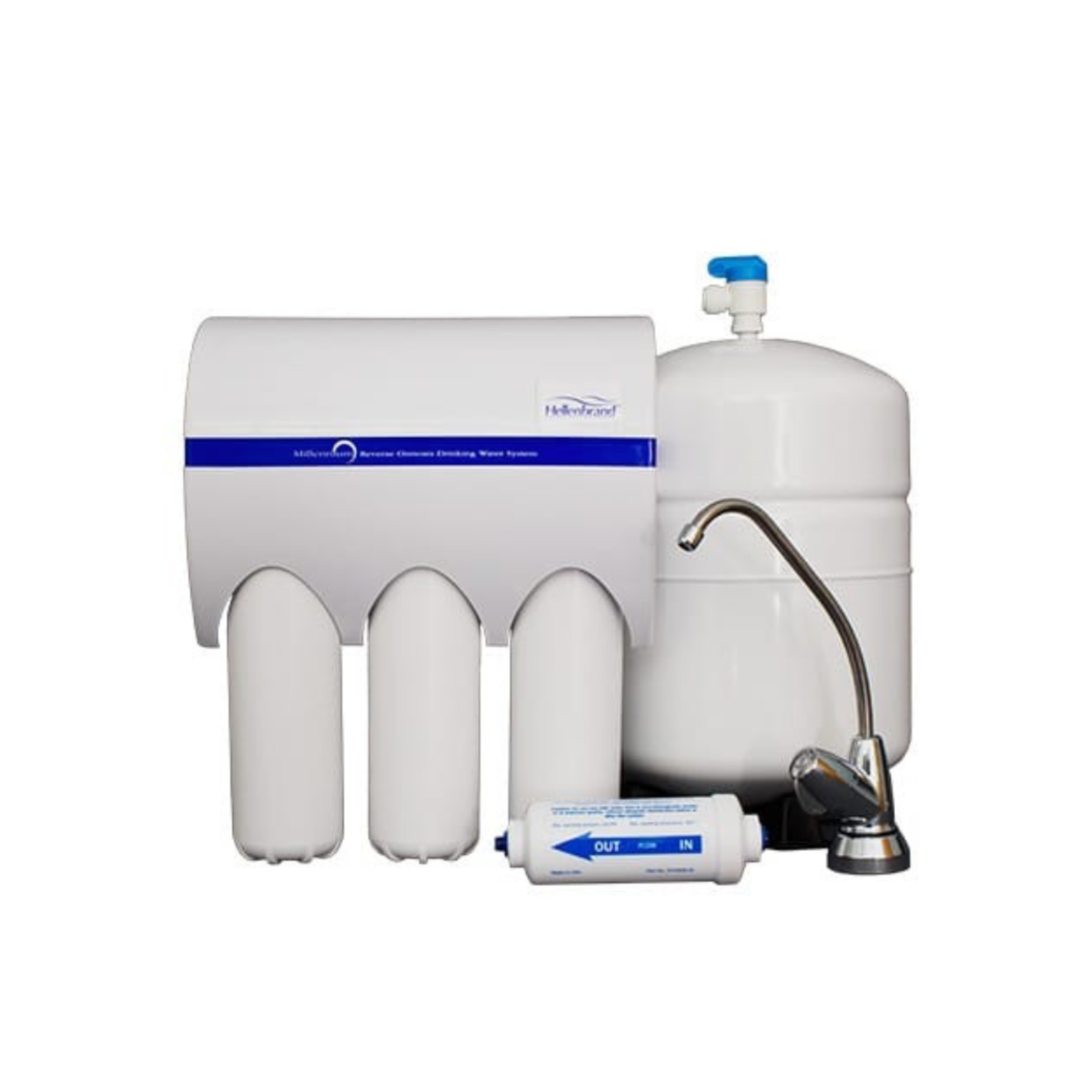
Reverse osmosis systems are commonly installed under the kitchen sink to provide advanced drinking water filtration.
Advanced Drinking Water Protection
Reverse osmosis is one of the most effective point-of-use technologies available for homeowners concerned about PFAS, lead, nitrates, fluoride, total dissolved solids, and other drinking water contaminants.
For many Long Island homes, RO is used at the kitchen sink to provide cleaner, better-tasting water for drinking, cooking, coffee, tea, and ice.
Learn About TruePoint EliteYes — Reverse Osmosis Can Help Reduce PFAS
Reverse osmosis, often called RO, uses a semi-permeable membrane to help reduce many dissolved contaminants from drinking water. According to the EPA, reverse osmosis and other high-pressure membrane technologies have been shown to be highly effective for reducing PFAS in drinking water.
PFAS Reduction
Properly selected and maintained reverse osmosis systems can help reduce certain PFAS compounds from drinking water.
Point-Of-Use Protection
RO systems are commonly installed under the kitchen sink to treat the water your family drinks, cooks with, and uses for coffee, tea, and ice.
Maintenance Matters
Like any filtration system, reverse osmosis must be properly installed, serviced, and maintained to perform as intended.
Why PFAS Are Different
PFAS are not like ordinary taste and odor problems. They usually cannot be seen, smelled, or tasted, which is why water testing and proper filtration selection are so important.
No Taste Or Smell
PFAS generally do not create an obvious odor, color, or taste at the tap.
Measured In Tiny Amounts
PFAS are commonly measured in parts per trillion, often written as PPT.
Not Every Filter Is Equal
Basic sediment filters and many general-purpose filters are not designed for advanced PFAS reduction.
How Reverse Osmosis Works
Reverse osmosis pushes water through a specialized membrane. The membrane allows water molecules to pass through while helping reject many dissolved substances.
Pre-Filtration
Sediment and carbon prefilters help protect the RO membrane and improve overall system performance.
RO Membrane
The membrane is the heart of the system and is responsible for much of the dissolved contaminant reduction.
Carbon Polishing
Many RO systems include a final carbon filter to improve taste before the water reaches the dedicated faucet.
Reverse Osmosis Vs. Whole-House Carbon Filtration
Both systems have value, but they are not the same tool.
Whole-House Carbon
Best for improving taste, odor, chlorine, chloramines, and general whole-house water quality.
Reverse Osmosis
Best for advanced drinking water filtration at the kitchen tap, especially when homeowners are concerned about dissolved contaminants.
Best Together
Many homeowners choose whole-house filtration for comfort and RO for premium drinking water protection.
For specific PFAS reduction claims, always look for manufacturer performance data, third-party certification, proper installation, and scheduled maintenance. No filter should be treated as “set it and forget it.”
What Else Can Reverse Osmosis Reduce?
Depending on the system and certification, reverse osmosis may also help reduce many other drinking water concerns.
Lead
Many RO systems are used by homeowners concerned about lead and other metals in drinking water.
Nitrates
Reverse osmosis is commonly used as a drinking water treatment option for nitrate and nitrite concerns.
Total Dissolved Solids
RO systems are designed to reduce total dissolved solids, often called TDS.
Fluoride
Reverse osmosis is commonly used when homeowners want to reduce fluoride in drinking water.
Common Questions About RO And PFAS
Does boiling water remove PFAS?
No. Boiling water is not considered an effective way to remove PFAS.
Does a refrigerator filter remove PFAS?
Some refrigerator filters improve taste and odor, but many are not designed or certified for PFAS reduction.
Do pitcher filters remove PFAS?
Some certified pitcher filters may reduce certain PFAS compounds, but performance varies widely by product.
Is RO better for drinking water?
For many homeowners, reverse osmosis is the preferred point-of-use option for advanced drinking water filtration.
Related TruePoint Resources
Learn more about Long Island water concerns and your filtration options.
What Are PFAS?
Learn why PFAS are called forever chemicals and why Long Island homeowners are paying attention.
What’s In Long Island’s Drinking Water?
Learn about PFAS, chlorine, chloramines, nitrates, hard water, iron, manganese, sediment, and more.
TruePoint Elite RO System
Learn about our premium reverse osmosis drinking water system for Long Island homes.
Concerned About PFAS In Your Drinking Water?
Schedule your free consultation and let TruePoint Filters help you understand your options for cleaner, better drinking water at home.
Request Your Free Consultation